What is A Hang Tag Printer?
A hang tag printer, also named a hang tag printing machine, is a specialized printing machine designed to print tags or labels that are typically attached to clothing, accessories, or other retail products.
These tags, commonly referred to as hang tags, are used for branding, providing product information, or offering care instructions for the convenience of consumers and users, and they are more commonly seen on clothes and apparel. They are often hung from the product with a string or plastic fastener to make them easily visible to consumers.
Why Apparel Brands Need Hang Tag Printers
Apparel brands need hang tag printers because hang tags are not just labels—they are a powerful combination of branding, compliance, and pricing. Additionally, with the washing and care instructions printed on it, shoppers can make an informed decision to buy it or not.
Printing them in-house gives fashion businesses flexibility, speed, and cost efficiency. That’s why we are seeing the traditional craftsmanship of making clothing hang tags manually phasing out.
Benefits of Using Hang Tag Printers for Apparel
Using a dedicated custom hang tag printer offers several compelling benefits for apparel brands and clothing businesses, from enhancing brand perception to streamlining back-end operations. Here’s a breakdown of the key advantages.
Enhanced Brand Image and Customer Experience
A high-quality hang tag is a powerful, silent salesperson. It’s often the first physical touchpoint a customer has with a garment, and its quality directly influences their perception of the brand. Personally, I will go against the old saying “do not judge a book by its cover.” when it comes to the utility of quality hang tags. As a brand in the apparel industry, it’s necessary to provide that premium feel of your hanging tags for your customers.
- Professional Presentation: The in-house hang tag printer machine allows you to produce clothing tags with sharp logos, clear fonts, and premium finishes, which elevates the perceived value of your clothing and brand.
- Customization and Storytelling: Given most hang tag printers come with customizable software, you can easily customize tags for specific collections, seasons, or even individual customers (e.g., for made-to-order items). This allows you to include brand stories, taglines, or unique patterns that build an emotional connection with the buyer.
- Cohesive Unboxing Experience: By controlling the entire production process, you can ensure your hang tags perfectly match your other packaging materials, creating a memorable and professional unboxing experience that customers love to share.
Improved Operational Efficiency and Cost Control
Moving tag printing in-house can significantly improve your workflow and save money and labor, especially for small to medium-sized businesses.
- On-Demand Printing: You can print exactly the number of tags you need, when you need them. This eliminates the need to order large minimum quantities from external clothing tag printers, reduces inventory waste, and frees up valuable storage space.
- Time and Labor Savings: Automated or semi-automated hang tag printers drastically reduce the time spent on manual labeling compared to using pre-printed tags and tagging guns. This allows staff to focus on other tasks, which will improve work efficiency and lead to higher production .
- Reduced Human Error: By integrating the hang tag printing machine with your inventory system, you can ensure that every apparel tag has the correct price, model/SKU, or barcode, minimizing costly mislabeling and pricing mistakes at the point of sale. Machines outperform human beings when it comes to making mistakes.
Optimized Inventory and Supply Chain Management
Modern hang tag printers are key to a smarter, more data-driven supply chain.
- Flexibility for Dynamic Pricing: The retail market moves fast. With an in-house printer for hang tags, you can instantly update pricing for a flash sale or print new tags with promotional QR codes, allowing you to react to market changes in real-time without wasting pre-printed stock.
- Accurate Barcode Printing: Printers for clothing tags with high resolution (like 300 dpi) ensure barcodes are crisp and scannable. This accuracy is crucial for smooth checkout, inventory tracking, and supply chain visibility from factory to store.
- Advanced Integration with RFID: For businesses looking to scale, some printers can encode and print RFID hang tags. This technology enables advanced inventory management, including smart replenishment, instant stock audits, and even theft prevention, as used by major brands like Zara and Uniqlo.
Support for Sustainability Goals
- In an era where consumers value eco-conscious practices, having your own printer can support your green initiatives.
- Waste Reduction: Print-on-demand capabilities mean you only produce what you need, drastically cutting down on wasted tags from outdated information or over-ordered stock.
- Eco-Friendly Materials: Many modern digital printers are compatible with recycled papers, kraft paper, and other sustainable materials. This allows you to align your tags with your brand’s environmental values.
How Do Hang Tag Printers Work?
Hang tag printers work by using various printing technologies to transfer text, barcodes, and graphics onto tag materials such as cardstock, coated paper, or synthetic labels, often integrated with automated mechanisms for feeding, printing, and even attaching the tags to products. The specific process depends on the printer type, but they all follow a similar workflow to create the finished tags you see on retail items.
The General Printing Workflow of Hang Tag Printers
- Design and Input: A digital design for the tag, including text, logos, graphs, and barcodes, is created on a computer and sent to the printer.
- Media Feeding: The printer feeds the blank tag material from a roll or a stack into the printing mechanism. In automated hang tag printer machines, a pneumatic or electric feeder might be used.
- Image Transfer (The Core Step): This is where the primary technology comes into play. The printer uses its specific method to apply the design onto the tag.
- Finishing and Cutting: After printing, some printing machines for clothing will cut the tags. For example, desktop swing tag printers may have an optional guillotine cutter for a clean finish, especially for care labels. In integrated print-and-apply systems, tags are often separated from the roll by pulling, which severs connecting elements without a separate blade.
- Application (Optional): In advanced setups, a mechanism may automatically attach the tag to the product using a plastic fastener or fabric string, which is shot through a pre-punched hole in the tag and the garment’s fabric.
How Different Printing Technologies Work
Here’s a closer look at the most common printing technologies for hang tag printers:
Thermal Transfer: This is one of the most popular methods for printing apparel swing tags. A thermal printhead, containing hundreds of tiny heating elements, presses a ribbon coated with ink (wax or resin) against the tag material. As the CPU activates specific heating elements, they melt the ink onto the tag, dot by dot, forming the desired image and text. It is excellent for creating durable, smudge-proof barcodes and text.
Direct Thermal: This method uses heat-sensitive paper that darkens when heat is applied. The thermal printhead directly contacts the special paper to create the text, barcode, graph, or image, so no ink, toner, or ribbon is required. It’s a simpler and lower-maintenance process, but the prints can fade over time with exposure to heat and light, making it less common for long-term apparel tags.
Inkjet: These printers work by spraying microscopic droplets of liquid ink onto the tag material through tiny nozzles. This technology is ideal for producing high-resolution, full-color, photo-realistic graphics, making it a favorite for custom, branded hang tags where visual appeal is critical.
Laser: A laser beam is used to fuse toner powder onto the tag’s surface. This process is very fast and produces sharp, smudge-resistant text, which is perfect for high-volume printing of garment tags or compliance or regulatory labels where clarity is paramount.
Digital: These advanced printers work much like high-end office printers, printing directly from a digital file without the need for plates. This allows for on-demand printing, full customization, and quick turnaround, making them highly flexible for short runs and personalized tags.
Hot Foil (or Hot Stamping): This specialty method uses heat and pressure to transfer metallic foil (like gold or silver) onto the tag. It creates a shiny, elegant, and wear-resistant finish, often used for brand logos and premium decorative elements to enhance product and brand image.
Integrated Print-and-Apply Systems
For high-volume manufacturing, buying fully automated hang tag printers is the smarter choice. In these systems, blank tags are fed from a continuous roll, printed on-demand (e.g., by a thermal transfer printer), and then moved into position for attachment.
A mechanism with a hollow needle punches through the tag’s pre-punched hole and the garment. A plastic fastener is then shot through the needle, securing the tag.
The finished product is then pulled away, and the connecting element between tags is designed to sever cleanly, separating the attached tag from the next one on the roll without needing a separate cutter.
How to Choose the Right One for Your Business
Making the right choice depends on your specific priorities. Here are a few scenarios to guide you:
If you are a small boutique or startup, you will likely need both printed tags and a way to attach them. A simple and cost-effective solution is to order pre-printed tags from a service like Avery and use a manual tagging gun to attach them.
If you are a designer or small brand needing custom, on-demand tags: A desktop hang tag printer machine that combines thermal printing with automatic attachment is an excellent all-in-one solution for efficiency and branding. If your designs are highly visual and colorful, a desktop inkjet or digital printer for creating the tags, combined with a separate tagging gun, might be a better fit.
If you are a medium-sized brand with a growing volume of hang tags: Consider moving to a semi-automatic tag printing machine to balance speed and cost. For printing, if you need vibrant colors for branding, an inkjet or digital tag printing machine can be the ideal solution. For standard durable tags, thermal transfer is the workhorse.
If you are a large manufacturer, you need speed and integration. An industrial hang tag printing machine is a must. For the tags themselves, flexographic or offset printing will give you the lowest cost per tag for massive, consistent runs. For lines requiring variable data or RFID, specialized digital UV printers for clothing tags are the solution.
Conclusion: Is a Hang Tag Printer Worth It for Your Apparel Brand?
If you’re running an apparel business—whether a boutique startup or a growing fashion label—a hang tag printer isn’t just a convenient tool… It’s a strategic investment for the aforementioned reasons:
- You Gain Full Control Over Branding
- You Save Money Over Time
- You’re Faster and More Flexible
- You Improve Accuracy and Compliance
- You Support Growth at Every Stage
Indeed, a hang tag printer is worth it if you care about:
- Brand presentation
- Operational efficiency
- Cost control
- Speed to market
- Inventory and compliance accuracy
In today’s competitive apparel market, excellent tag design and seamless execution can make a meaningful difference in customer perception and operational performance.
We have this CH650 Custom Hang Tag Printer to offer. Check it out to see if it will meet your needs.
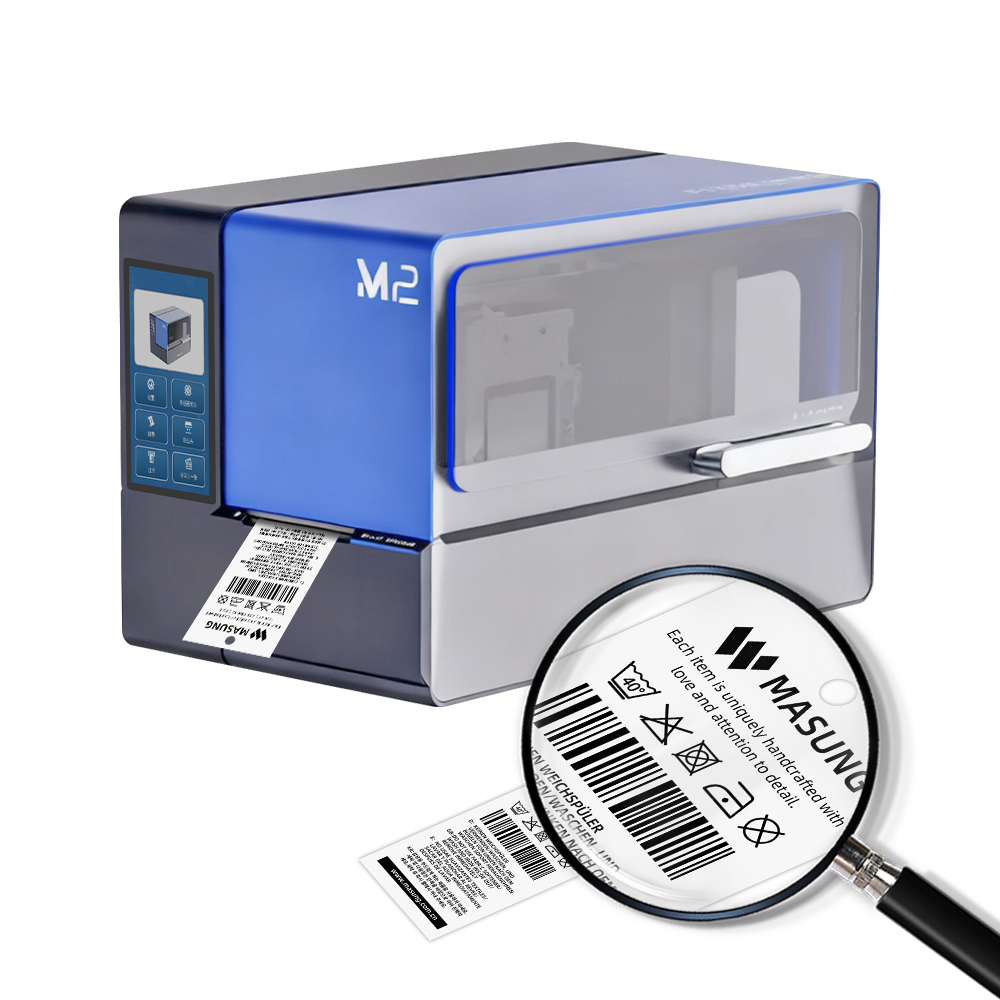
The Custom Hang Tag Printer for Clothing Features:
- 300 DPI high-resolution printing
- Print width adjustable from 35 to 55 mm
- Efficient automatic feeding
- Simple connectivity & operation
- Robust construction to guarantee durability