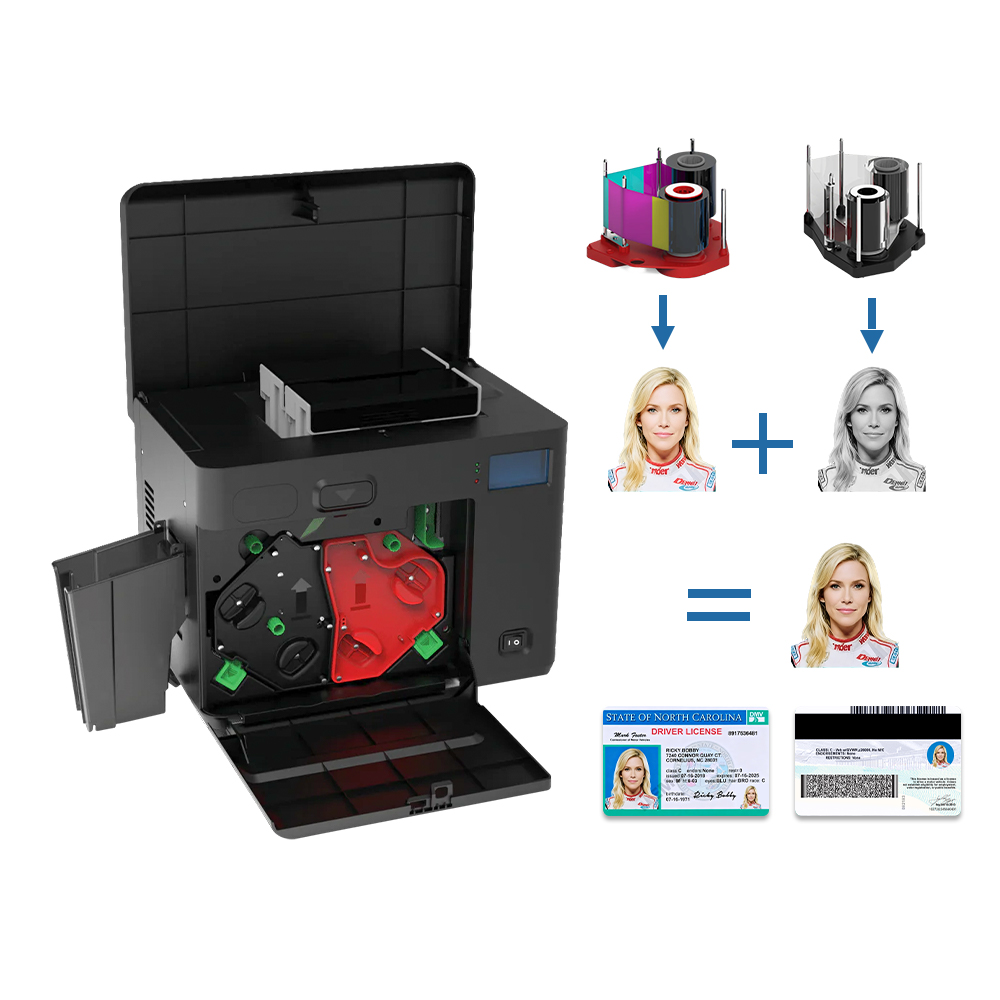
In Which Countries Are ID Card Printers Most Needed?
As a printer manufacturing company based in China since 2006, we have exported a massive number of printers globally. Among the various types we supply, we have found that more than a decade ago, the majority of our ID card printer sales are to fast-developing countries. These include the Philippines, Qatar, Saudi Arabia, the UAE (Dubai), Pakistan, India, Vietnam, South Africa, Brazil, Russia, Mexico, and several African nations.
Why I Decided to Develop a More Advanced Card Printer
I recall answering calls from visitors to my website who had seen our ID card printing machine, asking if we had a distributor or authorized ID card printer supplier in their country. After replying “No,” the disappointment in their tone was evident.
Before 2012, we had only developed one model of ID card printer. It was crudely crafted, with limited technology applied. I hadn’t considered developing more advanced ID card printers until I received an increasing number of calls with the same inquiry. After researching the countries these inquiries came from, I concluded that fast-developing nations were in desperate need of ID card printing solutions.
I then learned that fast, mass production of ID cards meets diverse needs across various settings. Beyond just printing identity cards, an advanced ID card printing machine can produce access control cards for employees, students, visitor passes, and membership cards for use in corporations, schools, universities, banks, hospitals, and more.
However, our existing machine couldn’t satisfy demanding customers. Clients increasingly sought versatile ID card printers capable of printing for more scenarios and sites. People naturally seek greater value at a lower cost—presenting a perfect opportunity to develop a quality machine and grow our business.
The Breakthrough and Success of the MS-15 PVC ID Card Printer
In late spring 2014, my R&D team in Changsha achieved a breakthrough. They successfully tested the newly developed MS-15 ID card printer for printing public transit cards, healthcare cards, and event access cards—all without failure.
Before launch, I intuitively knew it would be popular in rapidly developing countries. Priced reasonably, the MS-15 PVC card printer machine was sold extensively across multiple countries and regions, just as anticipated. I attribute its popularity to its high customization and versatility, serving roles in hospitals, companies, clubs, newly built schools, exhibition centers, and beyond.
Analysis: The Popularity of PVC Card Printers in Fast-Developing Countries

This demand boils down to five key factors:
Digitalization of National Governance and Public Management:
Fast-developing countries must establish or upgrade national systems to unify identity databases, including personal ID cards, social security cards, and healthcare cards. This requires PVC card printers with instant, on-site printing capabilities to issue new cards, simplifying governance and offering tremendous convenience to cardholders.
Standardization of Economic and Commercial Activities:
To keep pace with expanding businesses, PVC card machines are essential for creating employee access control cards, attendance cards, internal spending cards, and data access management cards. Every new factory, office, and industrial park creates demand.
Urgent Need for Security and Order Control:
Rapid urbanization renders traditional social security management inadequate. PVC card-making machines are crucial for printing unified, anti-counterfeit identity cards (such as residential or temporary IDs) to enhance management of migrant populations and maintain public security.
The Booming Retail Industry & Membership Services:
Membership and loyalty cards are widely used in supermarkets, malls, chain stores, gyms, and clubs to encourage customer loyalty and repeat business.
Fast-Paced Development of Education and Healthcare Systems:
Newly built schools and campuses require student ID cards for access to libraries, canteens, and other facilities—a vast and sustainable market. Similarly, areas with growing populations need new hospitals and healthcare systems. Issuing medical cards streamlines management, allowing hospitals and clinics to access patient information, insurance status, and records efficiently, improving medical security and operational efficiency.
Technological Advancement and Anti-Counterfeit Demand:
Coming from a developing country and having witnessed the transition from paper to plastic credentials, I understand the need for advanced anti-counterfeit features. Rapid development often leads to increased economic crime. Security features like holographic lamination, UV invisible printing, microtext, and personalized photos make counterfeiting nearly impossible, protecting both individuals and institutions.
Conclusion
For any nation undergoing significant social transformation and seeking to modernize governance and management, ID card printers are essential for ensuring social order, efficiency, security, and streamlined administration. Therefore, market growth is closely linked to ID card printer adoption—a trend that is both sustainable and lasting.
Recognizing this opportunity, since 2015 we have devoted ourselves to developing advanced ID badge printer machines. To date, we have launched several plastic ID printer models, including the highly popular Masung MS-CH22K 300DPI Double-Sided ID Card Printer.
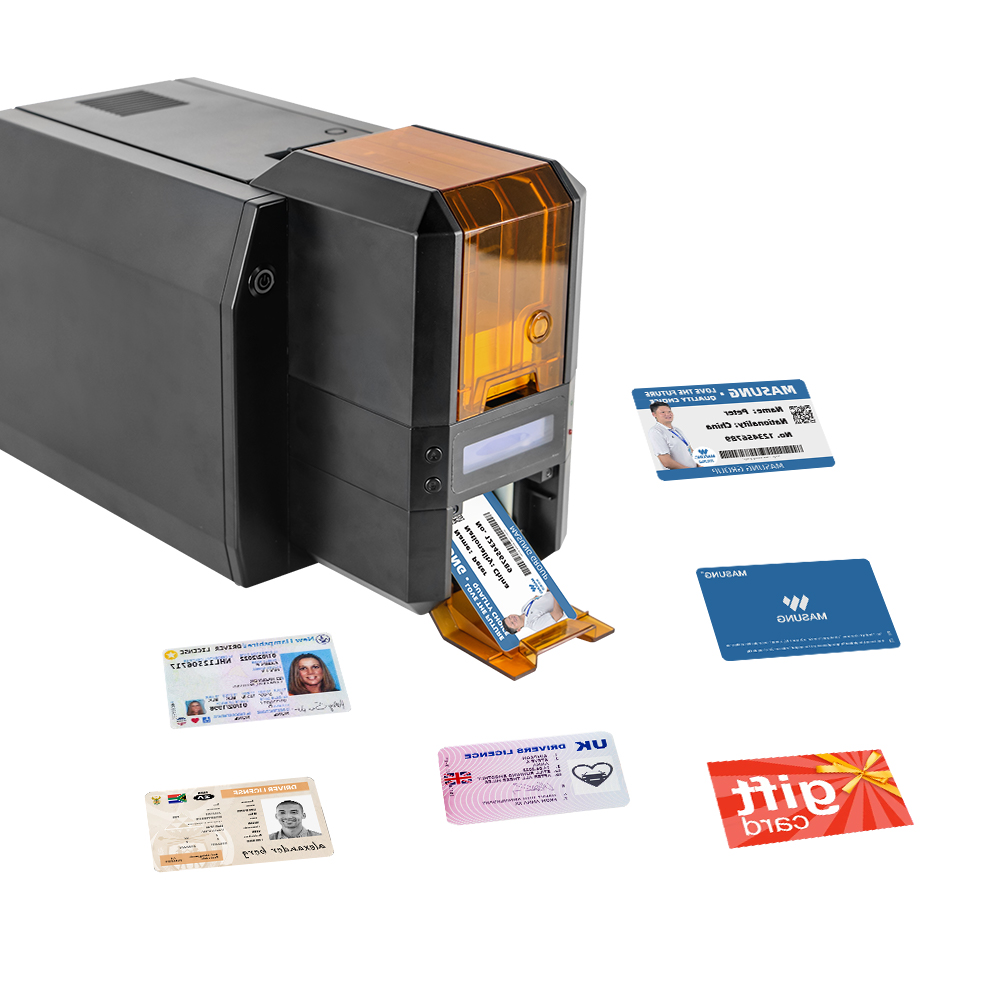
For a more economical option, we also offer the single-sided MS-CH22 ID card printer.
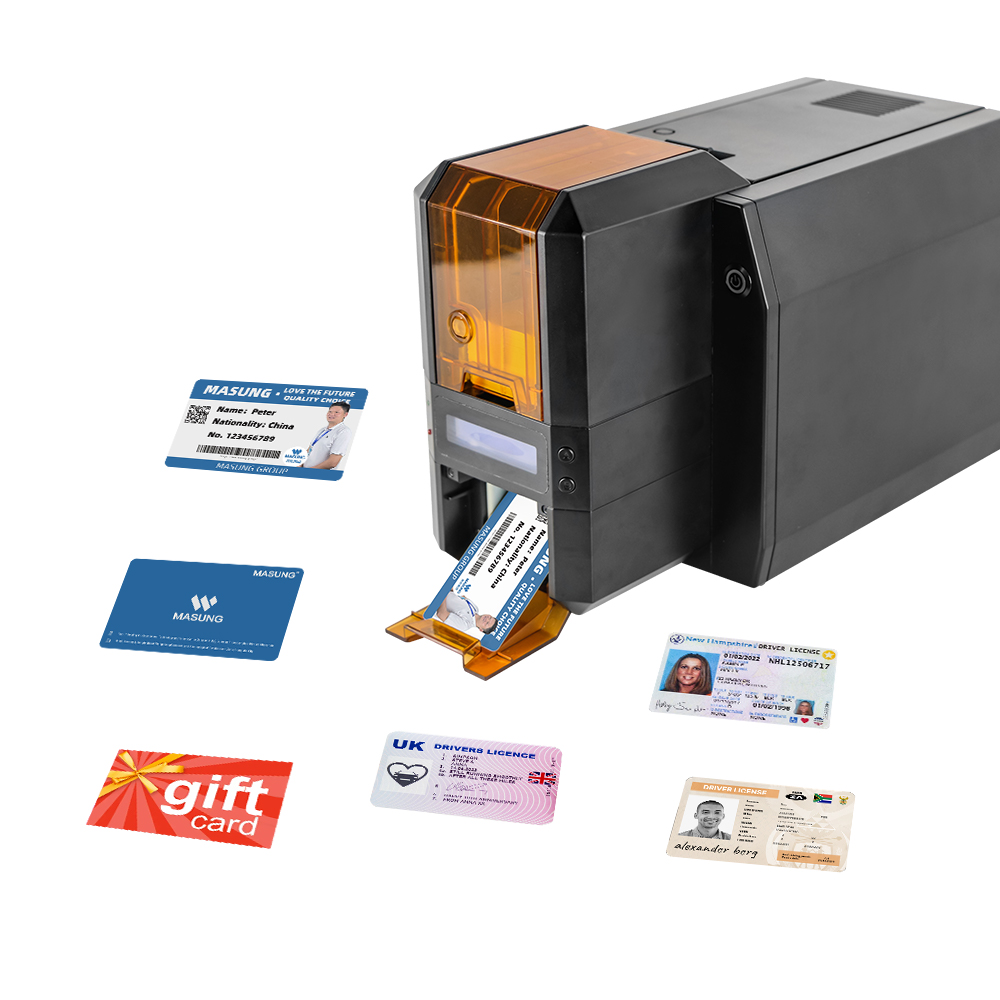
In 2025, we introduced the MS-S33K & MS-S33 Driver License Printing Machines. The former features dual-sided laser engraving technology, while the latter utilizes advanced laser engraving printing technology.
MS-33K Driver License Printing Machine
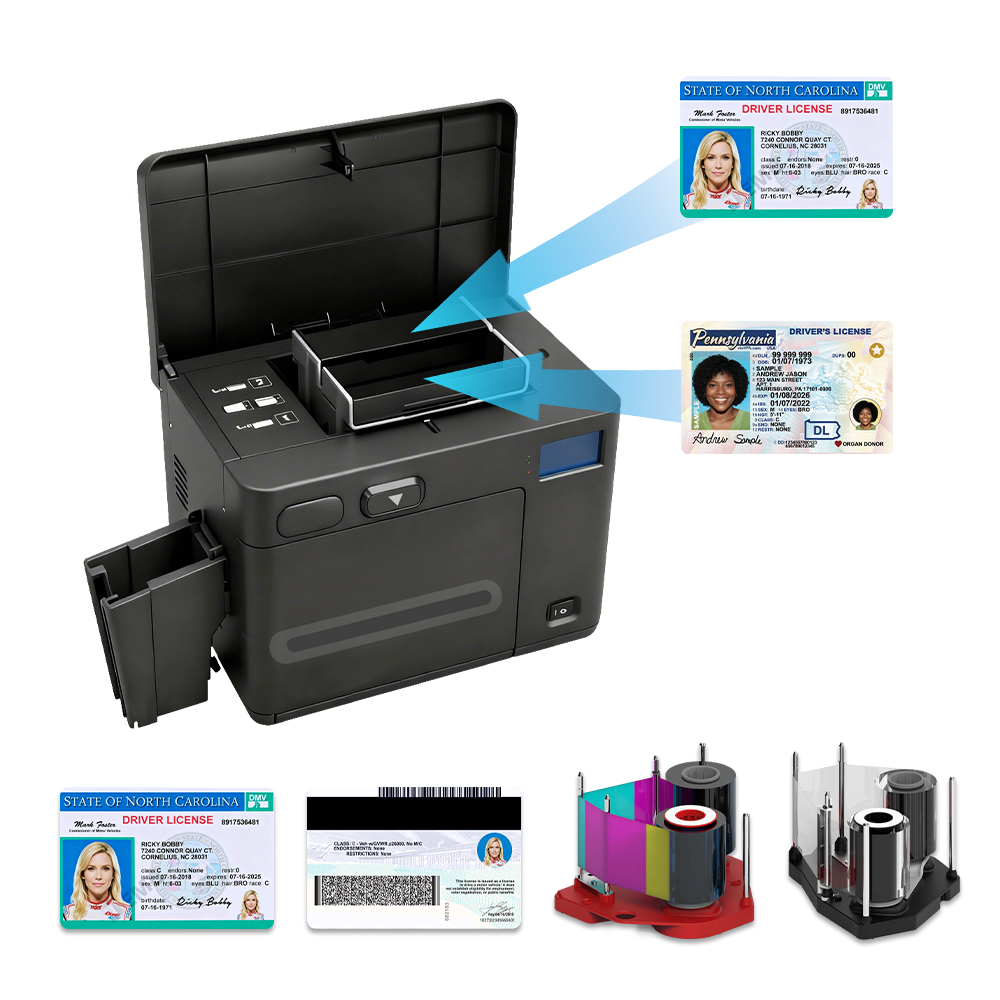
MS-33K Driver License Printing Machine