A thermal transfer printing machine is a printing device that uses heat and a coated ribbon to transfer ink onto a surface, creating durable, long-lasting prints. Unlike direct thermal printing, which relies on heat-sensitive paper, thermal transfer printing works on many materials and produces output that resists fading, scratching, moisture, and chemicals.
What Are The Subcategories of Thermal Transfer Printing Machines?
This decision mainly depends on the purpose, size, print width, color capability, ribbon type, and advanced functionality of the thermal transfer printing machines, which will allow users to make a choice in accordance with their preference to meet specific requirements.
1. By Printing Purpose
Thermal Transfer Label Printers
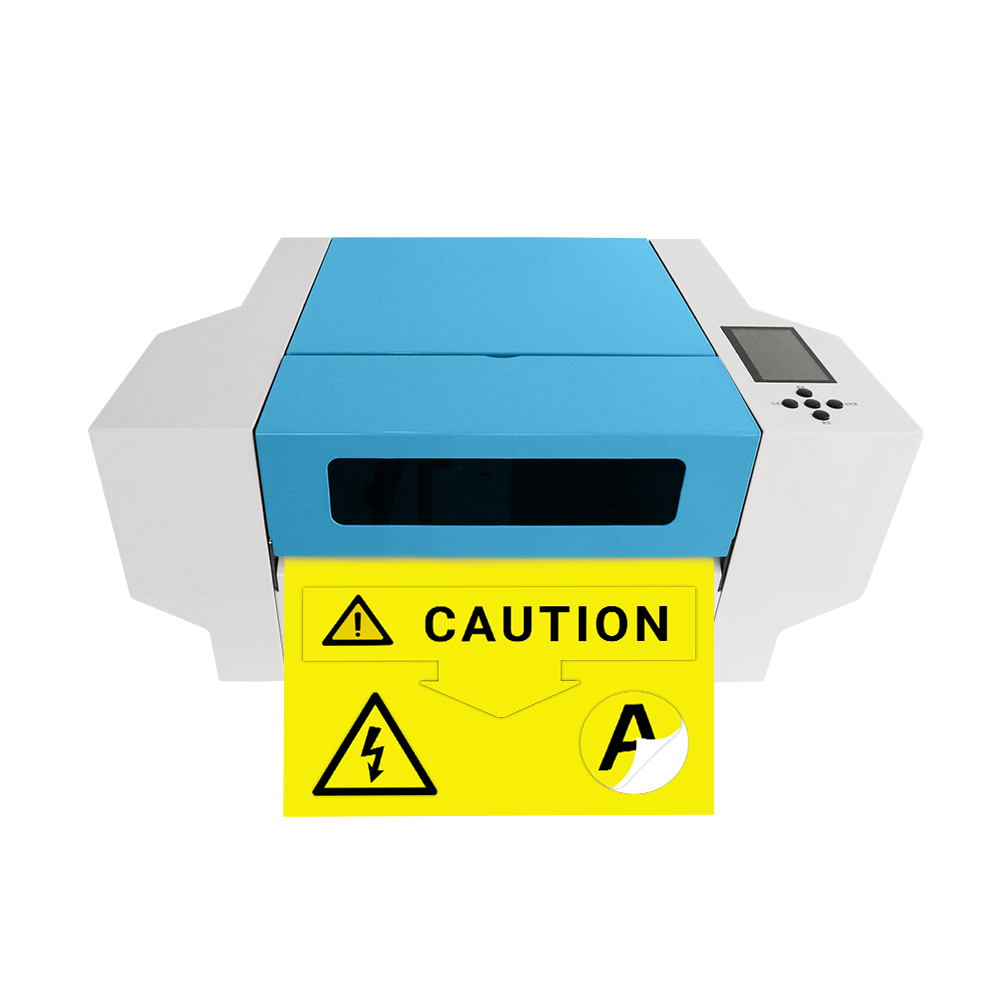
As one of the most primary subcategories, thermal transfer label printers are designed for labels and continuous media, optimized for barcodes, text, and compliance labels, which are optimal for applying in product labeling, logistics, warehousing, and retail fields.
Thermal Transfer Sign Printers
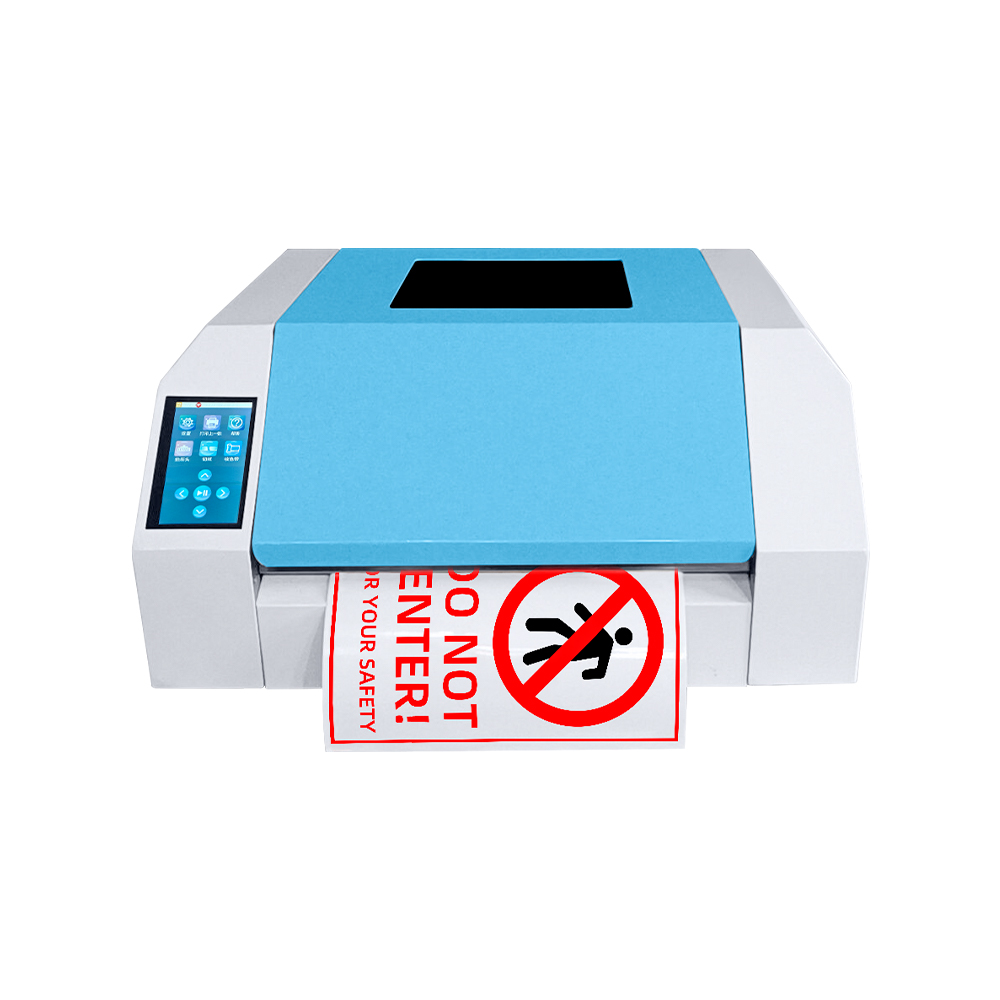
These printers are designed to print wide-format labels and rigid or thick media, producing high-visibility safety signs and label warnings to eliminate or minimize the risk and accident rate at workplaces, construction sites, offices, and any site that needs a safety label warning.
Thermal Transfer Tag Printers
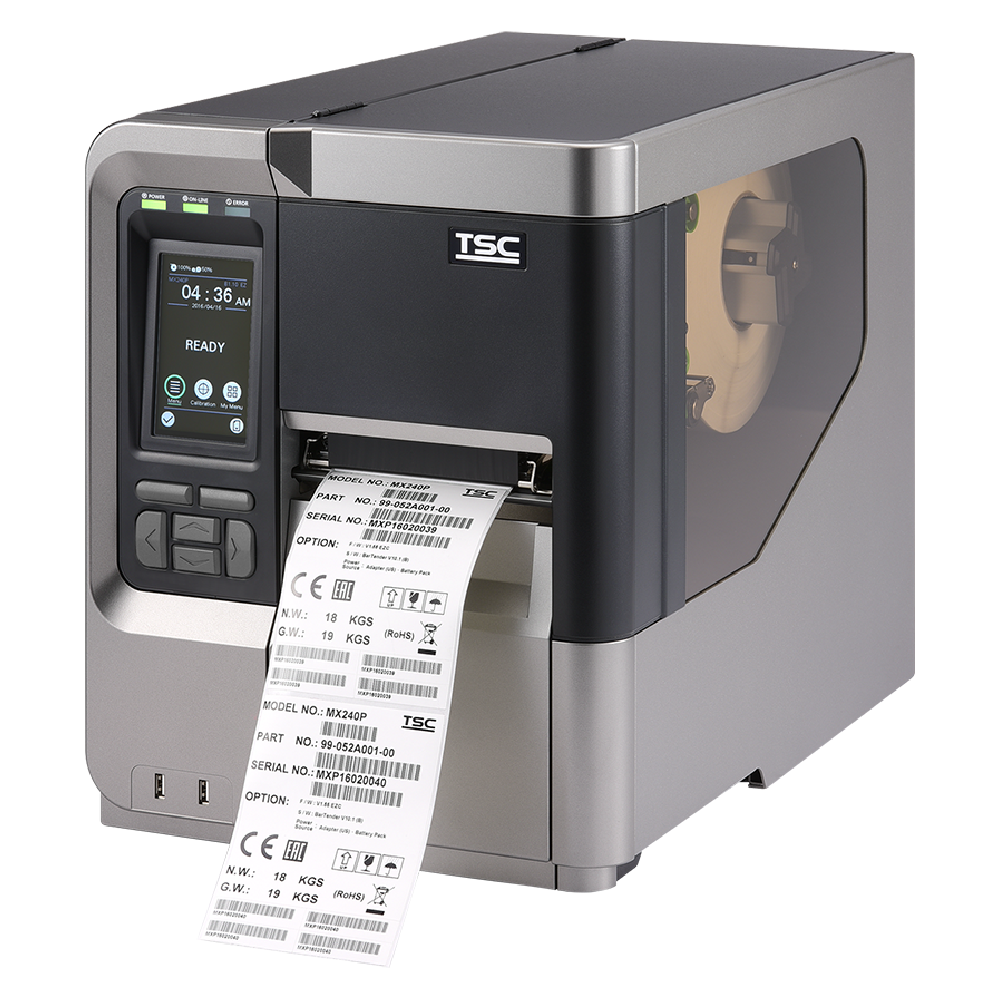
These printing machines are designed to print on thick media such as plastic or metal tags, supporting hole-punched or perforated materials. Thermal transfer tag printers are chiefly used for printing asset tags, equipment ID, and industrial tagging.
A few specific examples are:
The clothing hang tags we all have seen are printed by a thermal transfer hang tag printer.
The perforated metallic sign label hung on trees we see in botanic gardens, national parks, and the like.
The plastic asset tags are attached to the hardware and properties in offices and institutions.
1. By Machine Scale & Workload
Measuring the size and workload of thermal transfer printing machines, they can be classified into two subcategories:
Desktop thermal transfer printers
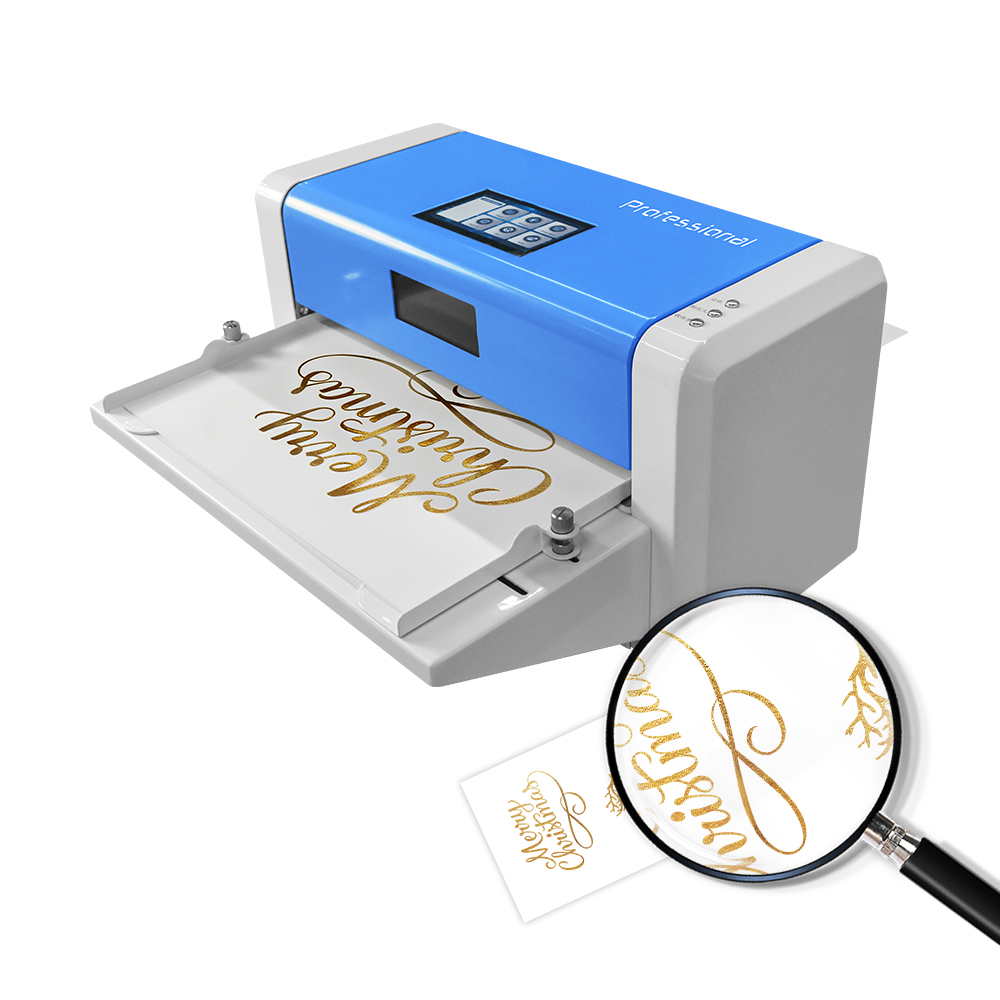
As their name suggests, the compact thermal transfer printers are to be placed on desks or spots that have limited space. Since they are not bulky, desktop thermal transfer printers can handle small or medium-sized workloads. Common practices of thermal transfer desktop printers are price tags, inventory tags, luggage tags, cosmetic or food product labels, and home-based indoor labels.
Commercial/Mid-Range Thermal Transfer Printers
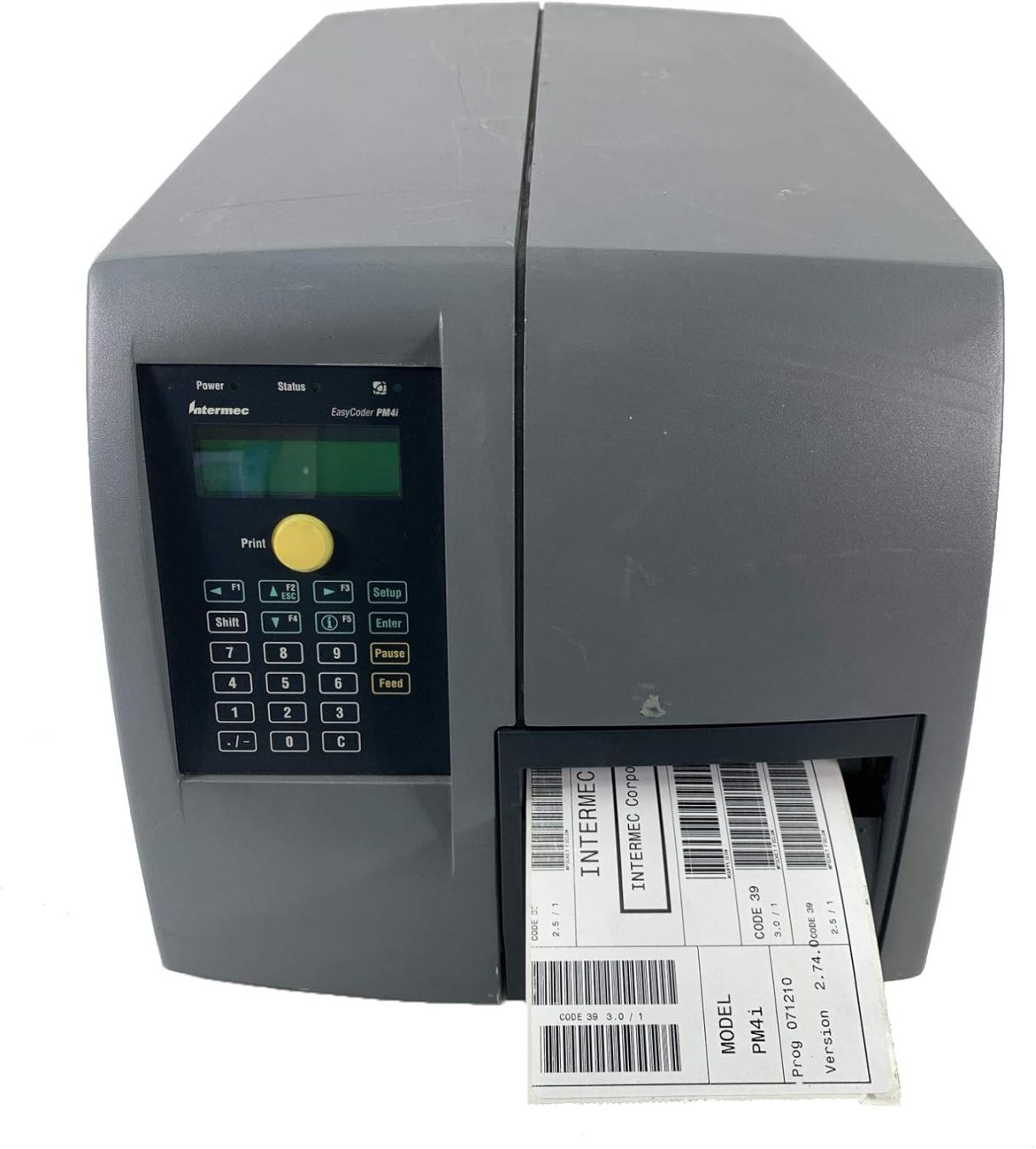
In comparison with thermal transfer desktop printers, commercial thermal transfer printers are designed with higher speed and are bigger to handle heavier workloads, playing the role of bridging the gap between the thermal transfer desktop printers and the industrial thermal transfer printers we will talk about in the next second.
Industrial Thermal Transfer Printers
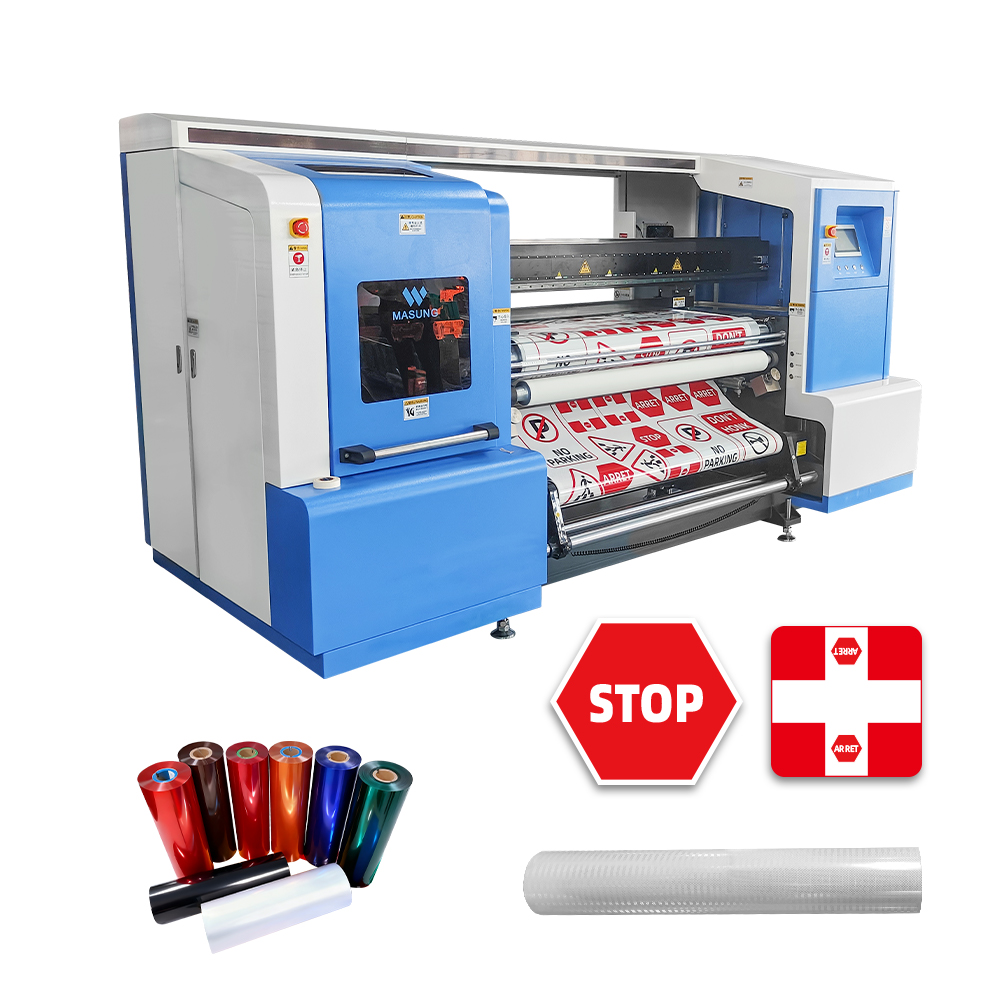
They tend to be heavy-duty and durable and outperform printers for personal or home use and commercial printers for medium-range workloads, particularly in the clarity of their output. Another strength of industrial thermal transfer printers the aforementioned printers can never match is their printing speed and consistent performance in harsh environments, especially those made for outdoor use.
Industrial thermal transfer printers are typically used for printing durable identification, traceability, and compliance information required in high-volume and harsh industrial environments. Their outputs are designed to remain readable despite abrasion, heat, chemicals, and long service life.
In the table below, it listed the most widely used subcategories of thermal transfer printing machines with a quick selection guide.
| Subcategory | Primary Printing Uses | Typical Print Media | Main Industries / Environments |
| Industrial Thermal Transfer Label Printers | Barcodes, QR codes, product labels, serial numbers, compliance labels | Paper, PET, PVC, PP, polyester | Manufacturing, logistics, warehousing, electronics |
| Thermal Transfer Card Printers | ID cards, access cards, membership cards, badges | PVC cards, PET cards | Offices, schools, hospitals, government, security |
| Thermal Transfer Coding & Marking Printers (TTO) | Production dates, expiration dates, batch & lot codes | Flexible packaging films, labels, foil | Food, beverage, pharmaceutical, cosmetics |
| Thermal Transfer Ticket & Receipt Printers | Tickets, receipts, vouchers, queue numbers | Thermal paper, coated paper | Retail, transportation, parking, events |
| Large-Format Thermal Transfer Printers | Safety signs, warning labels, traffic signs | Vinyl, reflective film, PET sheets | Traffic management, construction, public infrastructure |
| Thermal Transfer CD/DVD Disc Printers | Disc titles, logos, serial numbers, identification text | Printable CD & DVD discs | Media production, data archiving, duplication centers |
Here Is The Quick Selection Guide
| If you need to print… | Choose this subcategory |
| Durable barcodes & labels | Industrial thermal transfer label printer |
| IDs or access control cards | Thermal transfer card printer |
| Dates & batch codes on packaging | Thermal transfer coding printer (TTO) |
| Tickets or receipts | Thermal transfer ticket printer |
| Road or safety signage | Large-format thermal transfer printer |
| Disc labeling & archiving | Thermal transfer CD/DVD disc printer |
Conclusion:
Thermal transfer printing machine subcategories are needed in factories, warehouses, hospitals, retail stores, transportation systems, media centers, and public infrastructure. In short, anywhere durable, high-quality, and reliable printing is essential.